ISO 9001, ISO 14001, ISO 45001, and IECQ QC080000
 Over 15 Years of Expertise
 FREE samples provided to ensure product satisfaction
 Rapid Turnaround: Mass Production Complete in 15 - 20 Days
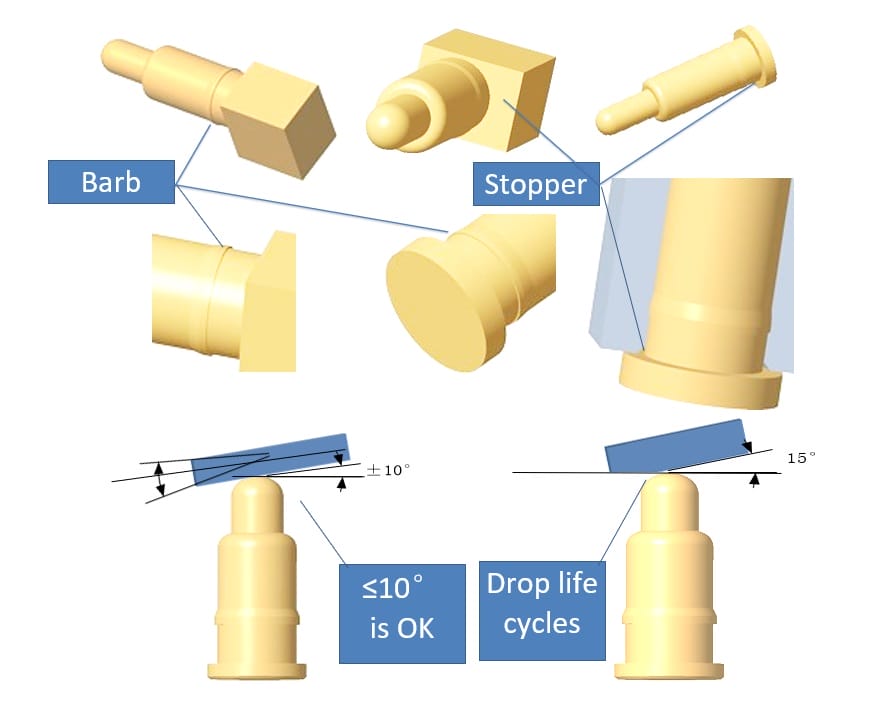
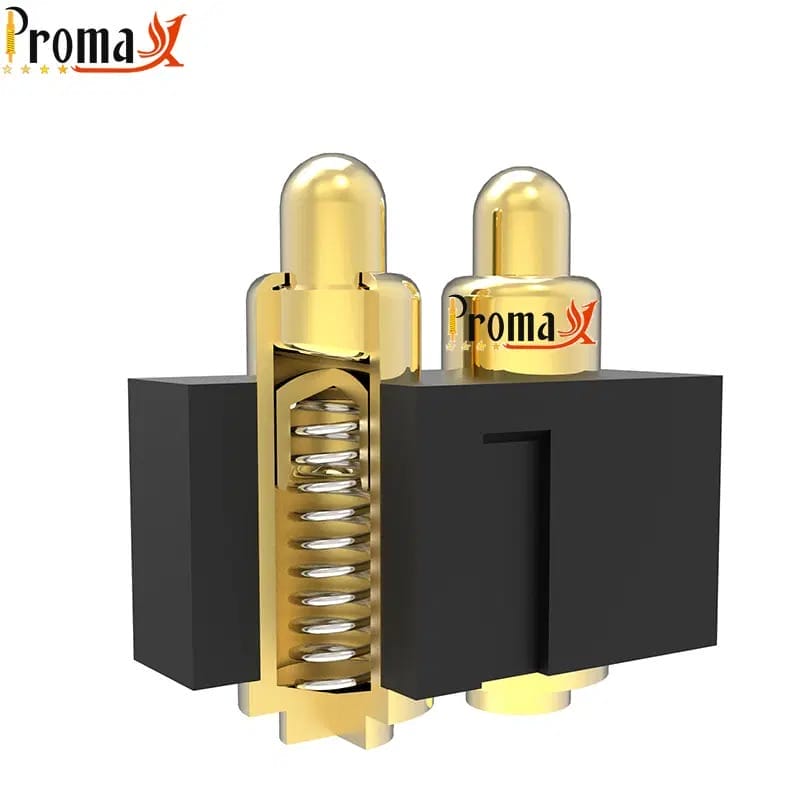
Ever clicked a ballpoint pen repeatedly when bored? Those spring-loaded connectors in electronics work on a surprisingly similar principle. These unsung heroes are working behind the scenes when you drop your phone onto a charging dock or plug test equipment into a circuit board.
The genius of this technology is how it solves one of electronics’ biggest headaches — connection wear and tear. Traditional connectors start failing after being plugged and unplugged hundreds of times, but these spring-loaded wonders maintain consistent electrical performance through thousands of cycles. That’s why you’ll find them everywhere, from your wireless earbuds charging case to automotive diagnostic equipment and life-saving medical devices where connection failures simply aren’t an option.
Key Takeaways
- Spring force isn’t one-size-fits-all — smartphones need gentle 15-25 gram pressure while tough industrial equipment demands hefty 40-60 gram force
- Consumer gadgets focus on tiny size and cheap manufacturing, while automotive applications need to handle scorching 125 °C temperatures under the hood
- Medical applications aren’t just about performance — they require special materials like titanium and surgical stainless steel that won’t harm patients
- Industrial users push these connectors to the extreme, with some applications demanding over 1 million connection cycles without failure
- Picking the right material matters tremendously — beryllium copper delivers that superior conductivity that mission-critical applications can’t live without
Smartphone and Tablet Charging Applications
Smartphone pogo pin design prioritizes gentle electrical contact and compact configuration. These electronic components use phosphor bronze construction with gold plate to balance cost and performance. Spring force stays between 15–25 grams to protect delicate device surfaces during daily charging cycles.
Design Features for Mobile Devices
- Size: Ultra-compact with 0.8-1.2 mm diameter
- Force: 15–25 grams for gentle device contact
- Materials: Phosphor bronze base with gold plating
- Temperature: -20 °C to +85 °C for consumer environments
- Cycles: 50,000+ for extended use
Charging Dock Integration
Magnetic alignment systems work with spring-loaded pins to guide device placement. The magnets position the device while the connector handles electrical transfer. Waterproof designs use sealed construction for outdoor phones and rugged tablets.
Multiple pin configurations support fast charging protocols and data transfer. USB-C style arrangements deliver both power and signals through the same socket assembly. This reduces device complexity while maintaining charging speed.
Smartwatch and Wearable Applications
Wearable electronic devices demand the smallest possible pogo pin designs. These applications use diameters as small as 0.5 mm to fit inside compact device housings. Biocompatible materials prevent skin reactions during extended wear periods.
Wearable-Specific Requirements
- Ultra-miniaturization: 0.5-0.8 mm diameter pins
- Skin compatibility: Surgical steel construction prevents corrosion
- Waterproofing: IP67/IP68 sealed assemblies
- Low profile: Minimal projection from device surface
- Magnetic guidance: Automatic alignment for user convenience
Fitness Tracker Charging
Heart rate monitors and fitness trackers use specialized spring contact arrays. These handle both charging and data synchronization through the same contact points. Sweat resistance requires enhanced sealing and corrosion resistance materials.
Automotive Dashboard and Infotainment Systems
Automotive applications face extreme temperature swings and constant vibration in harsh environments. Dashboard spring-loaded electrical connectors operate from -40 °C to +125 °C while maintaining stable electrical performance. Beryllium copper construction provides optimal conductivity and spring properties for these demanding environmental conditions.
The global pogo pin market was worth about USD 0.44 billion in 2024 and is expected to grow fast to reach around USD 1.29 billion by 2033, growing roughly 12.75% each year because more electronics are using them
Automotive Environment Challenges
- Temperature extremes: -40 °C to +125 °C operation for high reliability
- Vibration resistance: 20G acceleration tolerance
- Chemical exposure: Automotive fluids and cleaning agents
- EMI shielding: Signal integrity in electrical environments
- Certification: IATF 16949 automotive standards
Infotainment Docking
Center console docking stations use larger pogo pins for phone and tablet connections. These handle both power delivery and high-speed data transfer for multimedia applications. Spring force increases to 30–40 grams for robust connection through dust and debris.
Navigation system updates require consistent electrical contact during vehicle operation. Multiple contact arrangements provide enhanced reliability during road vibration and temperature cycling.
Electric Vehicle Charging Applications
Electric vehicle charging systems use high-current spring-loaded connectors capable of handling 10–30 amperes. These connection solutions require enhanced thermal management and specialized contact geometries for heat dissipation during rapid charging cycles.
High-Power Charging Requirements
- Current capacity: 10–30 amperes for rapid charging
- Thermal management: Enhanced heat dissipation features
- Contact size: Larger surfaces for current distribution
- Materials: Beryllium copper for maximum conductivity
- Safety features: Temperature monitoring integration
Automated parking systems integrate pogo pin charging for autonomous vehicles. These electronic systems require precise positioning and reliable electrical connection without human intervention. Guided alignment mechanisms ensure proper contact alignment for consistent electrical performance.
Medical Diagnostic Equipment
Medical device pogo pins require biocompatible materials and exceptional reliability. Diagnostic equipment uses surgical-grade stainless steel construction to prevent adverse reactions during patient contact. ISO 13485 standards mandate comprehensive quality control throughout manufacturing.
Biocompatible Design Requirements
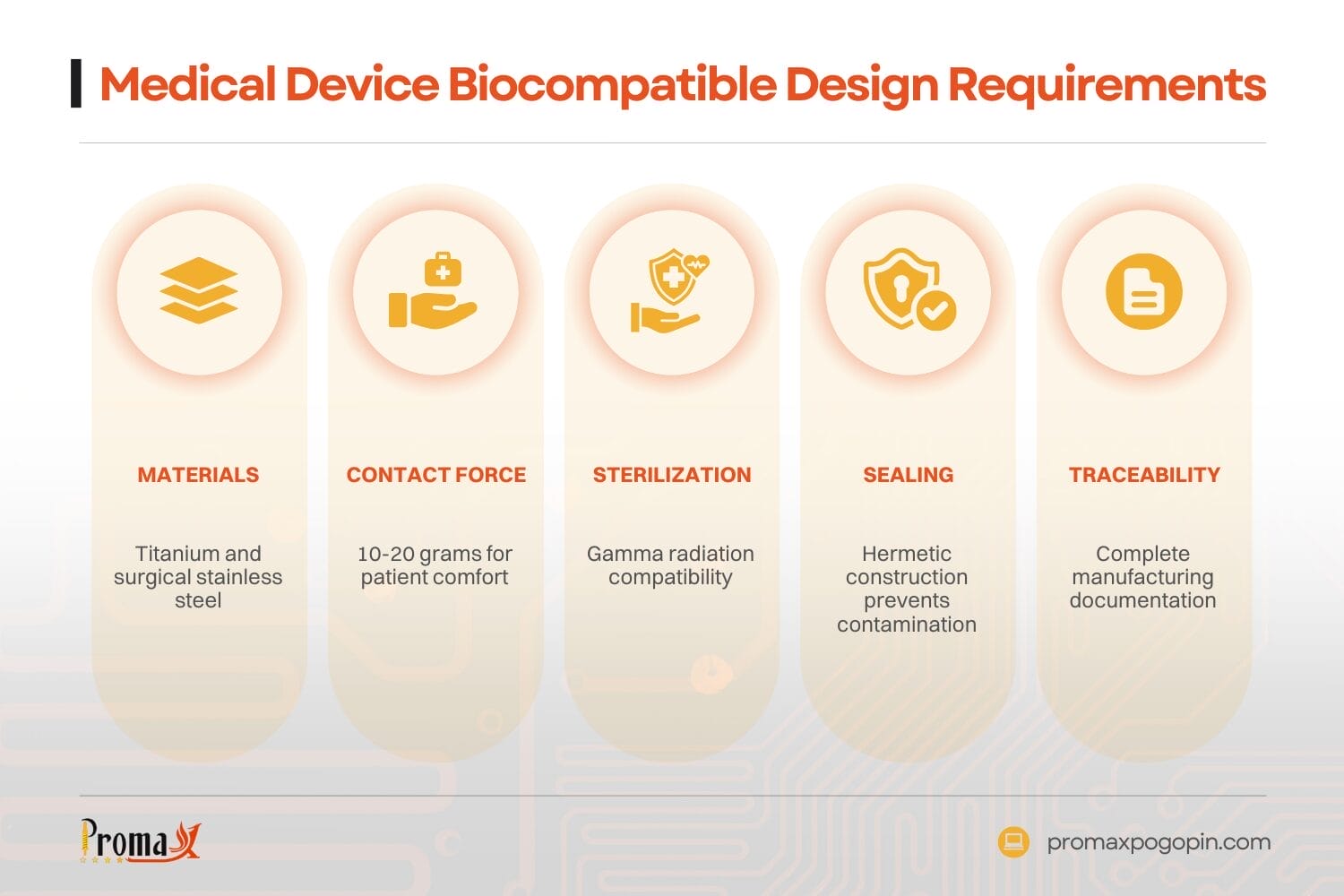
- Materials: Titanium and surgical stainless steel
- Contact force: 10–20 grams for patient comfort
- Sterilization: Gamma radiation compatibility
- Sealing: Hermetic construction prevents contamination
- Traceability: Complete manufacturing documentation
Patient Monitoring Applications
Physiological monitoring equipment uses ultra-low contact resistance pogo pins. These maintain accurate signal transmission for heart rate, blood pressure, and neurological measurements. Single-use designs eliminate cross-contamination risks in critical care environments.
Portable diagnostic devices rely on pogo pin charging docks. These systems support extended battery operation while maintaining sterile conditions. Quick-disconnect features enable rapid device deployment during medical emergencies.
Need pogo pins fast? Talk to an engineer
Get a custom quote, spec matching, and manufacturing guidance—without slowing down your project.
- ISO 9001 / 14001 / 45001 + IECQ QC080000
- 15+ years of expertise
- Free samples
- Mass production in 15–20 days
Laboratory Automation Systems
Laboratory equipment uses common pogo pin designs for automated sample handling and testing. These applications require chemical resistance and precision positioning for robotic integration. Electronic components enable complex signal routing for diagnostic procedures.
Lab Equipment Specifications
- Chemical resistance: Varied reagent compatibility
- Automation compatibility: Robotic positioning systems
- Multiple contacts: Complex signal routing capability
- Cleaning protocols: Automated decontamination support
- Precision alignment: Micron-level positioning accuracy
High-throughput screening equipment uses dense arrays for simultaneous testing. These systems process hundreds of samples while maintaining electrical isolation between test points on circuit board assemblies.
Industrial Test Equipment Applications
Industrial test equipment demands the highest performance standards for ensuring stable electrical connections. Automated PCB testing uses high-density arrays with precise positioning requirements. Current carrying capacity ranges from microamperes for sensitive measurements to 10+ amperes for power delivery applications.
Manufacturing Test Systems
- Density: High-pin-count arrays for complex boards
- Current range: Microamperes to 10+ amperes capability
- Positioning: Micron-level accuracy requirements
- Durability: 1 million+ cycle lifecycle
- Force control: Protective pressure for delicate components
Quality Control Integration
In-circuit verification systems protect components while ensuring reliable performance. Pneumatic force control prevents damage during automated testing sequences. Real-time monitoring detects contact issues before component damage occurs.
Burn-in testing equipment subjects electronic products to extended electrical stress. Spring contact connections maintain stability throughout temperature cycling and extended operation periods. Enhanced thermal management prevents overheating during high-power testing.
Telecommunications Infrastructure
Outdoor telecommunications equipment requires spring-loaded pin designs capable of extreme environmental operation. Temperature specifications extend from -55 °C to +150 °C for cellular towers and satellite equipment. Thicker gold plating protects against marine environments and industrial pollution.
Harsh Environment Performance
- Temperature range: -55 °C to +150 °C operation
- Corrosion protection: Marine environment resistance
- UV stability: Solar radiation exposure tolerance
- Vibration tolerance: Wind loading and seismic activity
- Lightning protection: Surge current handling capability
Modular equipment designs use pogo pin interconnects for field serviceability. Technicians can replace modules without specialized tools or soldering equipment. Weather-resistant sealing maintains performance during extreme weather events.
Material Selection for Diverse Applications
Different electronic systems require specific spring material choices to achieve optimal durability and reliability. Consumer electronics prioritize cost and gentleness, while industrial applications demand maximum environmental resistance and mechanical performance.
Comprehensive Material Analysis
Beryllium Copper Properties
- Conductivity: 50% IACS for superior electrical performance
- Temperature Range: -200 °C to +200 °C operation
- Applications: High-performance electronics, aerospace, telecommunications
Phosphor Bronze Properties
- Cost: Most economical option for temporary electrical connections
- Compression: Good spring properties with adequate conductivity
- Applications: Consumer electronics, moderate-duty industrial
Stainless Steel Properties
- Temperature Range: Up to 250 °C continuous operation
- Chemical Resistance: Maximum durability in harsh environments
- Applications: Industrial systems requiring corrosion resistance
Promax Pogo Pin Manufacturing Excellence
Promax Pogo Pin delivers application-optimized connection solutions through comprehensive design analysis and precision manufacturing. Our engineering team evaluates your customization needs to recommend the ideal combination of materials, geometry, and performance characteristics. We provide technical support throughout the development process to ensure optimal results.
Our off-the-shelf and custom designs serve diverse applications across multiple industries. From smartphone charging to industrial automation, we deliver reliable temporary connection solutions that meet your specific requirements. Contact Promax Pogo Pin today to discuss your application needs and receive customized solutions that ensure reliable performance in your operating environment.
Pogo Pin Design Guide FAQs
How do automotive pogo pins differ from consumer electronics designs?
Automotive pogo pins use beryllium copper construction and operate from -40 °C to +125 °C, compared to consumer electronics using phosphor bronze with -20 °C to +85 °C operation. Spring forces increase to 30–50 grams for automotive versus 15–25 grams for consumer applications to ensure consistent electrical contact.
What makes medical device pogo pins unique from other applications?
Medical pogo pins require biocompatible materials like titanium and surgical stainless steel with low contact forces of 10–20 grams for patient comfort. They need ISO 13485 certification and gamma radiation sterilization compatibility, unlike standard electronic applications.
Why do industrial applications need higher cycle count ratings?
Industrial test equipment operates continuously with frequent connections requiring 1 million+ cycle durability compared to consumer devices needing 50,000 cycles. Manufacturing environments also expose pogo pins to contamination and mechanical stress, requiring enhanced materials and sealing for reliable performance.
Back to Top: Pogo Pin Design Guide | Application-Specific Solutions
Need pogo pins fast? Talk to an engineer
Get a custom quote, spec matching, and manufacturing guidance—without slowing down your project.
- ISO 9001 / 14001 / 45001 + IECQ QC080000
- 15+ years of expertise
- Free samples
- Mass production in 15–20 days