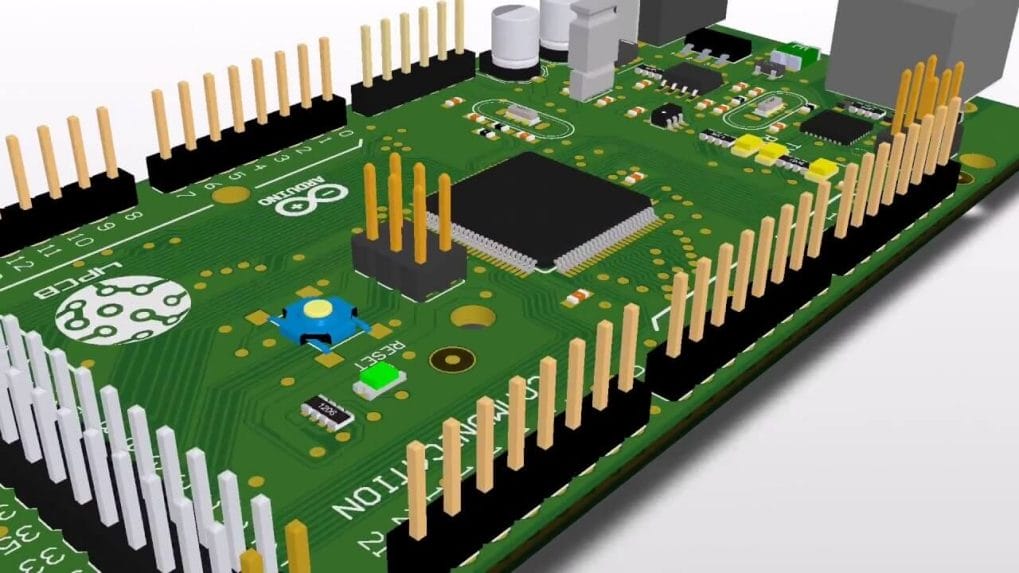
Think about your phone for a second. Inside that small device, there are quite a few tiny parts that need to talk to each other electrically. They need to send power and data back and forth without any wires getting tangled. That’s exactly what printed circuit board connectors do. They’re like tiny electrical bridges that […]
Category Archives: PCB Pin
Efficiency, cost-effectiveness, and flexibility are paramount in the dynamic world of electronic prototyping. PCB pogo pins, a groundbreaking innovation, are set to transform electronic prototyping. Let’s explore what they are, why they matter, and the significant changes they bring. Traditional prototyping involves time-consuming soldering, design limitations, and rising material expenses. The need for a faster, […]
Ready to blast off into the fascinating world of PCB connectors in High-Density Interconnect (HDI) technology? If you’re a tech-head, an electronics guru, or just curious about the intricacies of PCB design, you’ve landed in the right place. Strap yourself in for a deep dive into HDI technology, where things are complex while the competition […]
Electronic devices have been revolutionizing our lives the ways we never imagined possible. Behind the scenes, printed circuit boards are the unsung heroes that power these devices. They help connect the many components that make them work. The circuit board pin connector plays a vital role in ensuring reliable connections. This tiny component is often […]
Looking to expand your knowledge of how SMT connectors play a crucial role in printed circuit boards (PCB)? You’ve come to the right place! This article will delve into the different types of SMT connectors available, their benefits and drawbacks, and how they stack up against their through-hole counterparts. We’ll also explore the latest trends […]
Printed circuit pins form the one of the most important parts of modern circuit board technology, ensuring reliable connections and efficient performance. These pogo pins and PCB board pin connectors play an essential role in linking components placed on the board, transmitting signals, and maintaining the structural integrity of the system. From pcb board pins […]