ISO 9001, ISO 14001, ISO 45001, and IECQ QC080000
 Over 15 Years of Expertise
 FREE samples provided to ensure product satisfaction
 Rapid Turnaround: Mass Production Complete in 15 - 20 Days
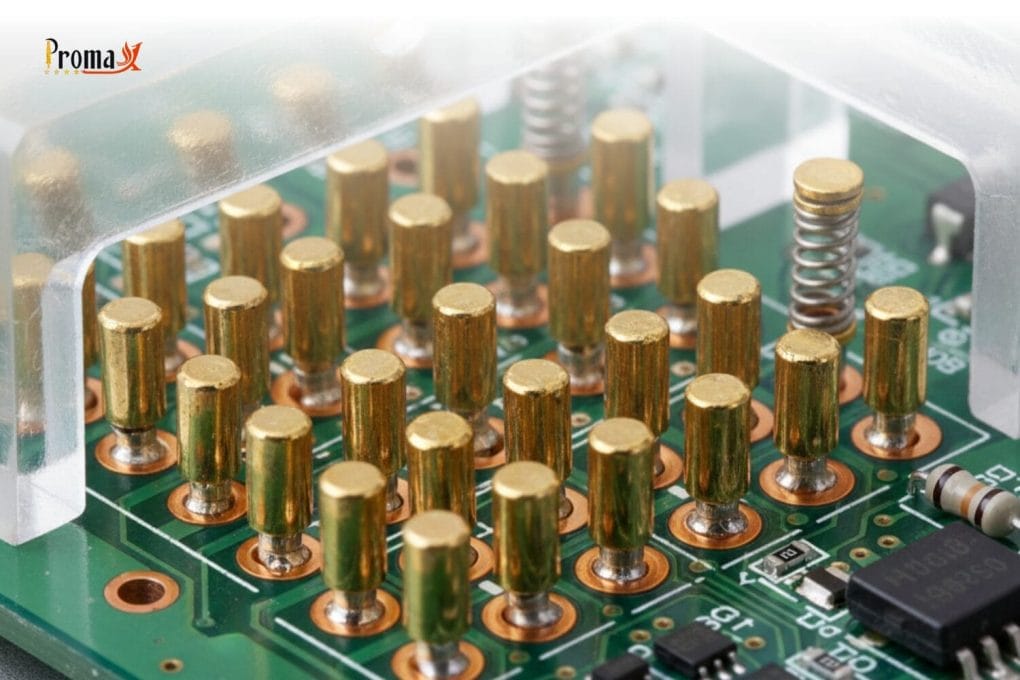
Pogo pins create reliable electrical connections in tight spaces where traditional connectors won’t fit—that’s why they show up in smartphones, test equipment, charging docks, and countless compact electronic devices. But sometimes during design or assembly, the question comes up: can we just cut these pogo pins shorter to fit our space? Technically, yes, you can physically cut them. Practically? It’s almost always a terrible idea that creates more problems than it solves. Cutting pogo pins compromises their mechanical function, affects electrical performance, and often destroys the very reliability that made you choose pogo pins in the first place.
This article explains what actually happens when you cut pogo pins shorter, the technical limitations making it problematic, the performance issues you’ll encounter, and—most importantly—better alternatives maintaining the reliability and electrical conductivity your application demands. Understanding why pogo pins are designed to specific lengths and what goes wrong when you modify them helps you make smarter decisions about connector selection and design. Sometimes the answer is specifying shorter pins from the manufacturer rather than trying to modify standard components. Other times it means rethinking your design to accommodate proper connector dimensions. Either way, knowing the risks prevents costly mistakes that show up during testing or, worse, after products reach customers.
Key Takeaways
- Cutting pogo pins short can reduce spring tension, causing unstable contact and performance loss.
- Shortening pogo pins exposes internal components to potential corrosion and debris.
- Custom pogo pins ensure optimal spring tension and stable contact without modification.
- Promax Pogo Pin offers custom-length pogo pins starting as small as 1.50 mm.
- Modifying pogo pins often voids warranties, leaving your devices vulnerable.
What are Pogo Pins & Why is Length Important?
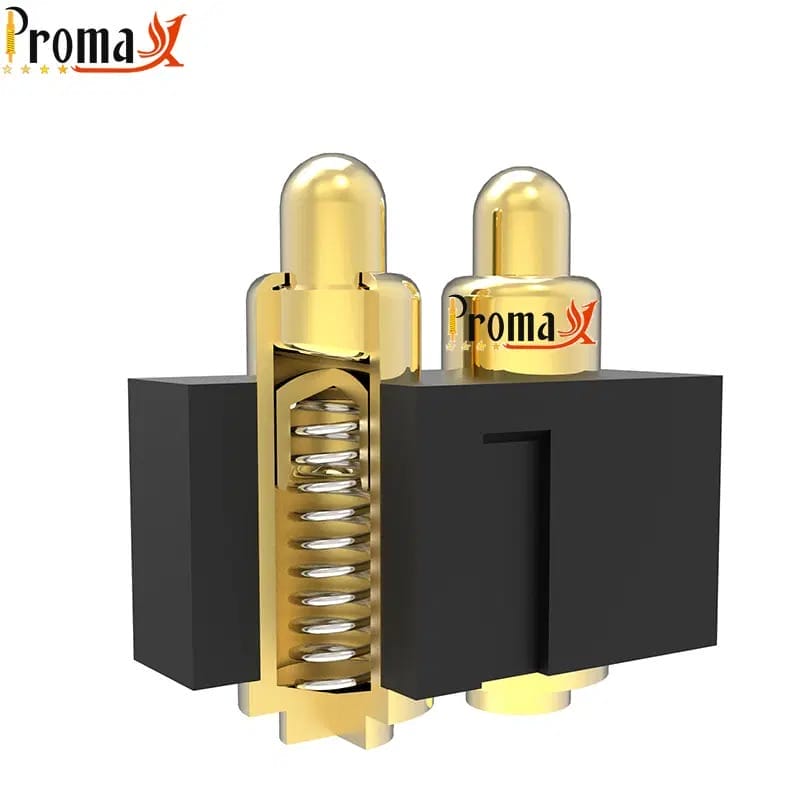
Pogo pins are spring-loaded connectors used in a wide range of electronic applications. These connectors are typically composed of three key components: the plunger, barrel, and spring, each playing a crucial role in ensuring consistent electrical contact. The spring inside a pogo pin is responsible for maintaining pressure against the tip of the pogo pin, ensuring stable contact across the contact points.
The length of a pogo pin is essential in maintaining its spring tension and compression. If the pin is cut shorter than its specified length, the spring may lose its ability to provide sufficient contact force, which can cause poor electrical connections or even complete failure. The stroke (compression distance) must also be considered; a shortened pin may no longer meet the necessary stroke length to ensure electrical conductivity.
Can Pogo Pins Be Cut Shorter After Manufacturing?
Cutting pogo pins post-manufacture introduces several technical risks that can negatively affect stability and reliability. The internal spring is specifically designed to operate with a certain stroke and compression range. Cutting the pin alters this balance, reducing the compression force that holds the tip in place. This leads to poor electrical contact, increased resistance, and unstable connections.
Key Reasons Not to Cut Pogo Pins:
- Loss of Spring Force: Cutting a pin can weaken the internal spring, causing inconsistent contact and increased resistance.
- Misalignment: The plunger may no longer be correctly aligned within the barrel, leading to unstable contact.
- Increased Contact Resistance: The altered spring tension results in higher resistance, degrading the quality of electrical connections.
In some cases, cutting the pin can lead to the failure of electrical circuits or other connected electronic devices.
What are the Risks of Cutting Pogo Pins Shorter?
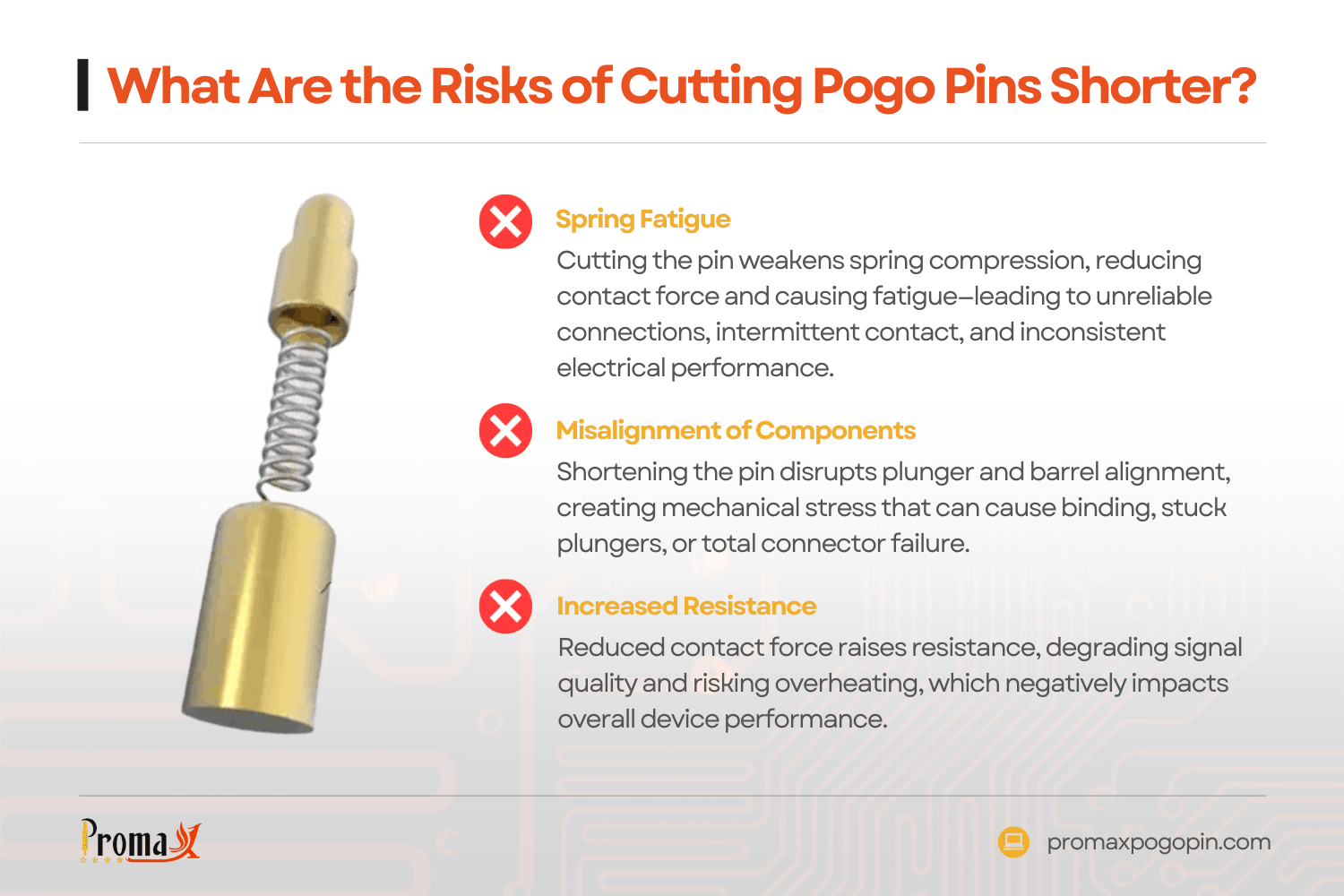
Shortening pogo pins introduces several performance risks, including:
1. Spring Fatigue
The spring provides essential tension and ensures proper contact. Cutting the pin affects the compression of the spring, leading to a reduction in spring force and potential spring fatigue. This compromises the reliability of the pin, causing intermittent contact and inconsistent electrical performance.
2. Misalignment of Components
When the pin is shortened, the alignment of the plunger and barrel can be disrupted. This misalignment causes mechanical stress, leading to binding, stuck plungers, or complete failure of the connector solution.
3. Increased Resistance
Shortening the pin also affects the contact points. The spring-loaded connector may no longer maintain the proper force, resulting in higher contact resistance. This impacts signal quality and can cause overheating, affecting the device’s performance.
Why is Cutting Pogo Pins a Risk for Long-Term Use?
Cutting a pogo pin too short compromises its ability to function effectively over the long term. The internal spring is designed to maintain optimal tension over an extended period, providing reliable electrical connection. By altering the length, you risk:
- Increased wear on the tip of the pogo pin.
- Reduced durability due to spring fatigue.
- Decreased cycle life—the life of the pogo pin may be cut short due to improper spring tension.
In the long run, this leads to costly repairs, component replacements, and potential failure of the electrical circuits or modules relying on the pogo pin.
How Can You Safely Get Shorter Pogo Pins?
Instead of cutting pogo pins, the safer option is to choose custom pogo pins manufactured to your exact specifications. Manufacturers, like Promax, offer custom pogo pin connectors in different lengths, ensuring you get the perfect fit for your application.
Custom pogo pins are available in various lengths, starting from as small as 1.50 mm, and are designed to provide the same reliable electrical contact without compromising the spring force or mechanical stability. This approach ensures consistent compression, a vital factor in maintaining electrical conductivity and contact reliability.
Need pogo pins fast? Talk to an engineer
Get a custom quote, spec matching, and manufacturing guidance—without slowing down your project.
- ISO 9001 / 14001 / 45001 + IECQ QC080000
- 15+ years of expertise
- Free samples
- Mass production in 15–20 days
What Happens if You Cut a Pogo Pin Shorter than its Recommended Length?
Shortening a pogo pin reduces the compression of the spring. When the spring can’t provide enough force, the tip of the pogo pin may fail to make stable contact with the board or rig, causing unreliable connections. This leads to increased resistance, poor signal integrity, and potential corrosion of the internal parts over time.
As a result, your connector may suffer from unstable contacts, affecting the functionality of your electronic devices or circuit board.
How do Manufacturers Customize Pogo Pins for Shorter Lengths?
To avoid the risks of cutting pogo pins, manufacturers offer custom pogo pins that can be designed to meet your exact specifications. By using CNC machining, Promax provides precise customization of both length and spring tension, ensuring that your pin works seamlessly within its intended module or fixture.
These custom pogo pins can be tailored to your application and include precise plating or coating to enhance corrosion resistance, stability, and reliability.
Are there Alternatives to Cutting Pogo Pins?
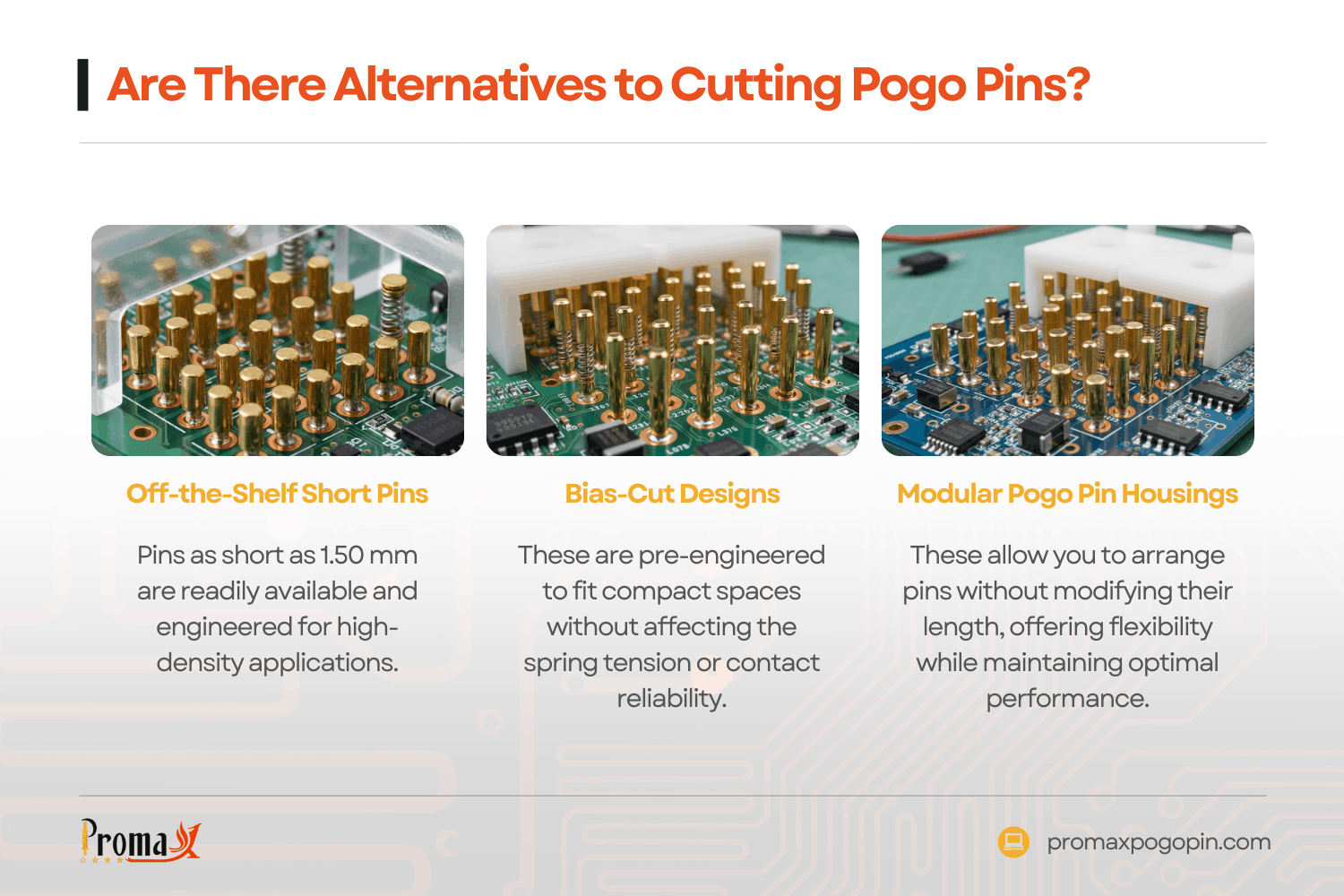
If you need shorter pogo pins but don’t want to risk cutting, here are a few alternatives:
- Off-the-Shelf Short Pins: Pins as short as 1.50 mm are readily available and engineered for high-density applications.
- Bias-Cut Designs: These are pre-engineered to fit compact spaces without affecting the spring tension or contact reliability.
- Modular Pogo Pin Housings: These allow you to arrange pins without modifying their length, offering flexibility while maintaining optimal performance.
These solutions allow you to maintain stable contacts without compromising performance.
How much do Custom Pogo Pins Cost?
Custom pogo pins are priced based on length, material, and coating options. While standard pogo pins are cheaper, custom pogo pins offer better performance, making them more cost-effective in the long run. Prices can vary, but investing in customized pogo pins ensures the reliability of your electrical connections.
Promax offers free samples for testing before committing to a full order, allowing you to assess their suitability for your device or module.
Ensure Optimal Performance with Custom Pogo Pins
In conclusion, modifying pogo pins by cutting them shorter is not a reliable solution for achieving the right length for your application. The risks involved, such as loss of spring force, misalignment, and increased contact resistance, can cause significant long-term issues for your electrical connections.
By choosing custom pogo pins from manufacturers like Promax Pogo Pin, you can ensure that the pins meet your exact specifications without compromising on reliability. Custom pogo pins are designed to provide consistent compression, spring force, and contact stability, ensuring optimal electrical conductivity. Contact us for custom pogo pins today!
FAQs on Can You Cut Pogo Pins Shorter?
Can I cut a pogo pin myself?
Cutting a pogo pin is not recommended because it affects the spring tension, leading to unstable contact and increased resistance.
What happens if I use a pogo pin that’s too short?
Using a shortened pogo pin results in misalignment and poor electrical conductivity, causing unstable connections and potential device failure.
How can I get the right length for my pogo pin?
To get the perfect length, opt for custom pogo pins from Promax. These pins are tailored to your needs, ensuring optimal performance and reliable connections without modification.
Back to Top: Can You Cut Pogo Pins Shorter? Why It’s Usually a Bad Idea
Need pogo pins fast? Talk to an engineer
Get a custom quote, spec matching, and manufacturing guidance—without slowing down your project.
- ISO 9001 / 14001 / 45001 + IECQ QC080000
- 15+ years of expertise
- Free samples
- Mass production in 15–20 days