ISO 9001, ISO 14001, ISO 45001, and IECQ QC080000
 Over 15 Years of Expertise
 FREE samples provided to ensure product satisfaction
 Rapid Turnaround: Mass Production Complete in 15 - 20 Days

When you’re designing electrical systems or selecting components, the choice between pressure contacts and spring contacts affects reliability, maintenance requirements, and long-term performance. Both contact types create electrical connections, but they do it differently—and those differences matter depending on your application. Pressure contacts rely on clamping force from mechanical fasteners to maintain connection. Spring contacts use inherent spring tension to keep components in electrical contact. Understanding which approach fits your specific needs prevents connection problems that show up during testing or, worse, after equipment is already in service.
Promax Pogo Pin breaks down the technical differences between pressure contacts and spring contacts, explains the benefits each type brings to different applications, and helps you figure out which one actually makes sense for your electrical system. The choice isn’t always obvious—sometimes pressure contacts offer advantages for permanent installations, whilst spring contacts excel in applications requiring frequent connection cycles or accommodating thermal expansion. Making an informed decision now prevents reliability issues and maintenance headaches later.
Key Takeaways
- Pressure contacts are ideal for high-current, low-resistance applications.
- Spring contacts excel in environments with vibration or frequent mating cycles.
- Higher contact pressure typically results in lower contact resistance.
- Pressure contacts perform best in fixed, stable environments.
- Spring contacts offer long-lasting reliability in dynamic settings.
What are Pressure Contacts Anyway?
Pressure contacts use static mechanical force to create a low-resistance connection between metal surfaces. This force comes from rigid mating surfaces pressing together, creating a reliable contact point. The pressure ensures a strong electrical connection, which is particularly important in high-power applications like power distribution systems where any resistance creates heat and efficiency losses.
In applications where solid contact force matters most, pressure contacts are the preferred choice. The static pressure creates genuine metal-to-metal contact across the interface, which reduces both heating and electrical resistance. However, there’s a balance to strike—too much pressure can actually deform the contact surface over time, degrading performance and potentially causing failures down the track.
What are Spring Contacts?
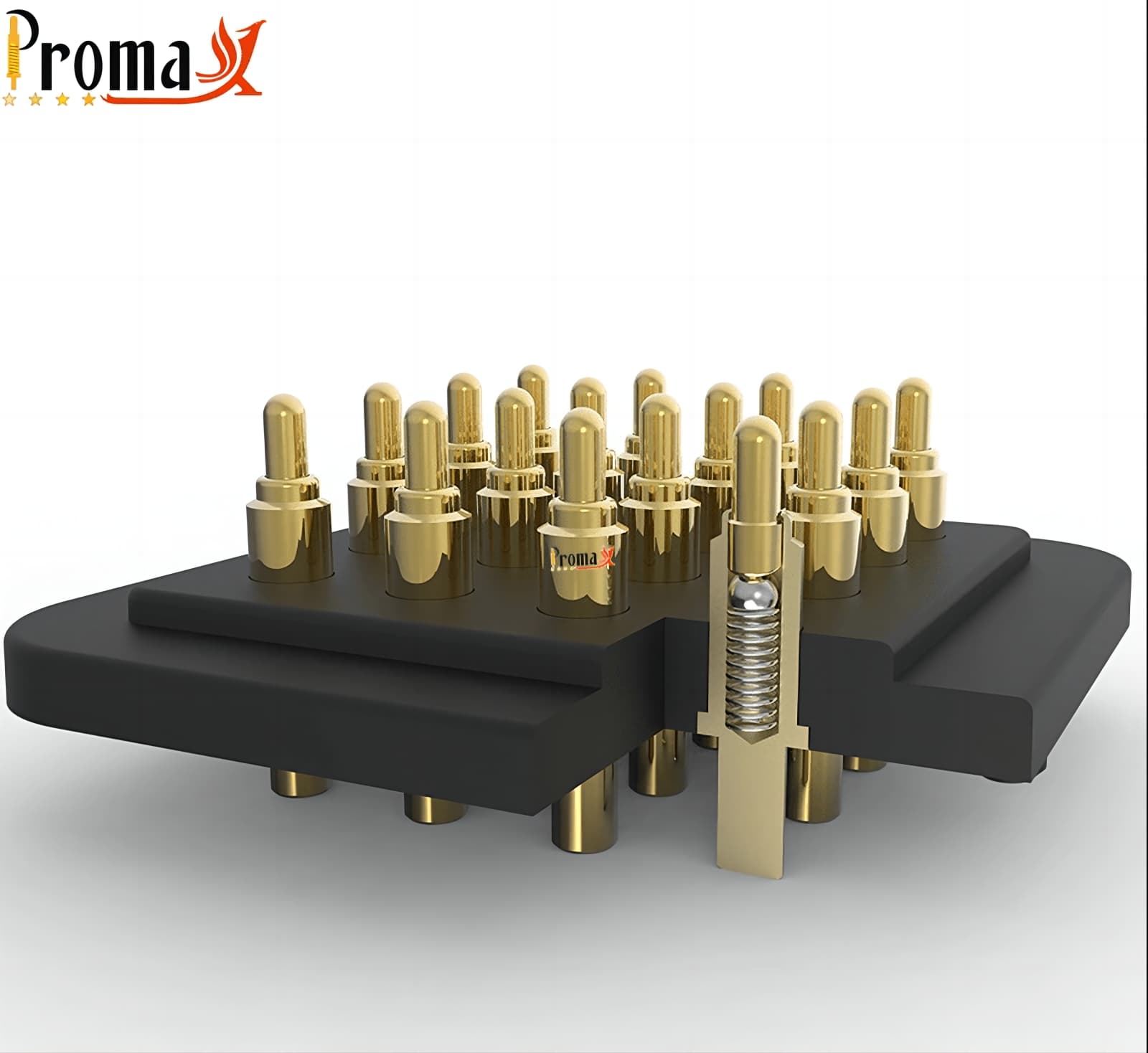
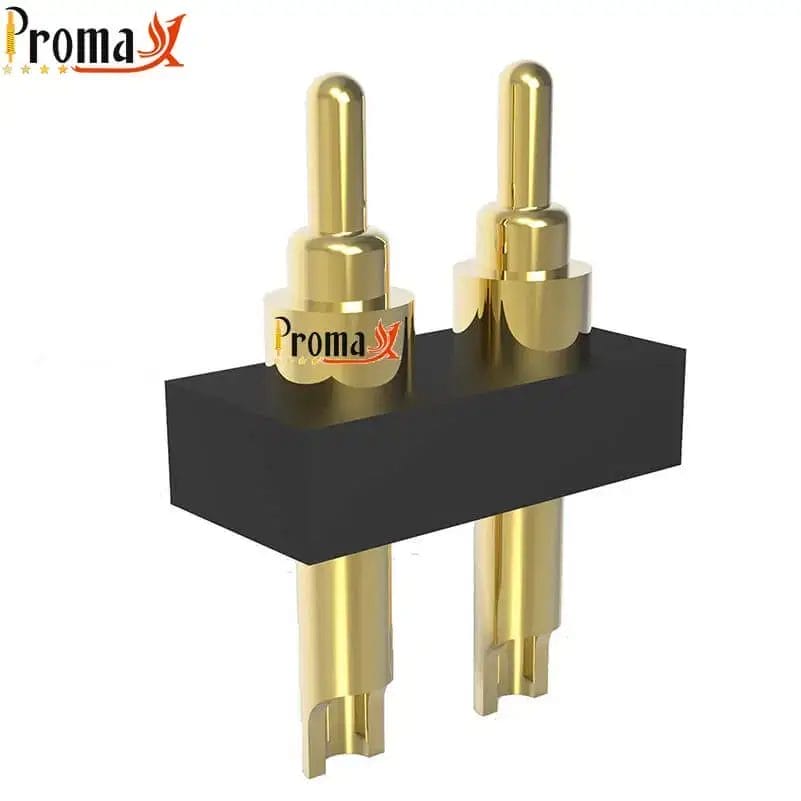
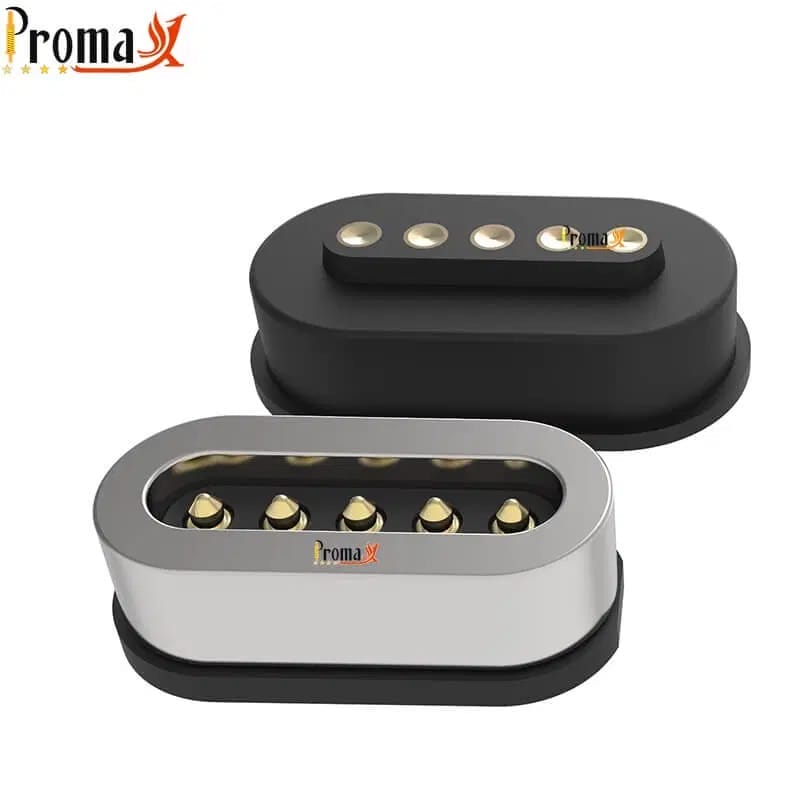
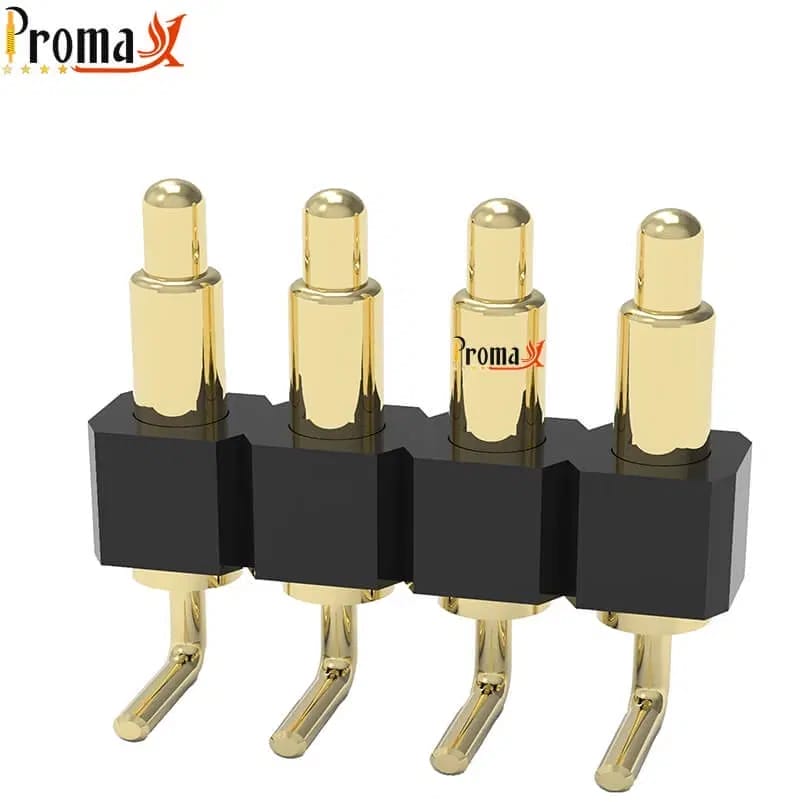
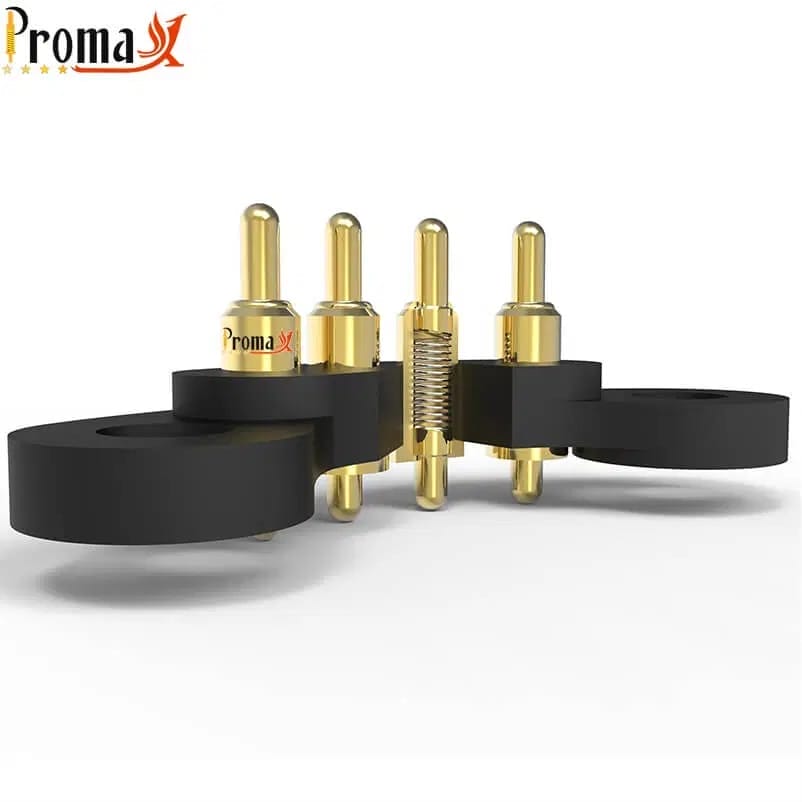
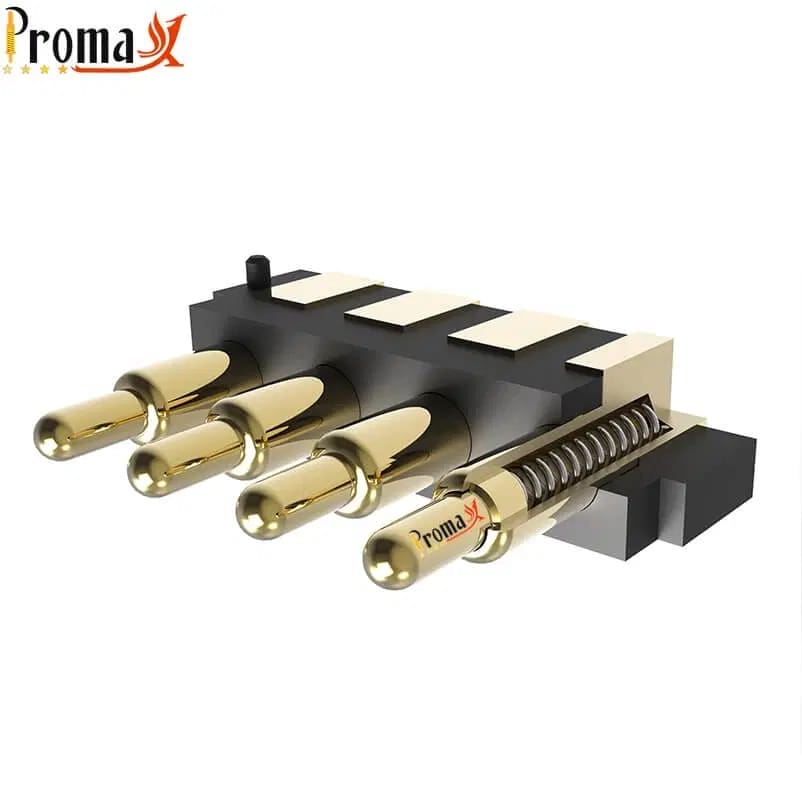
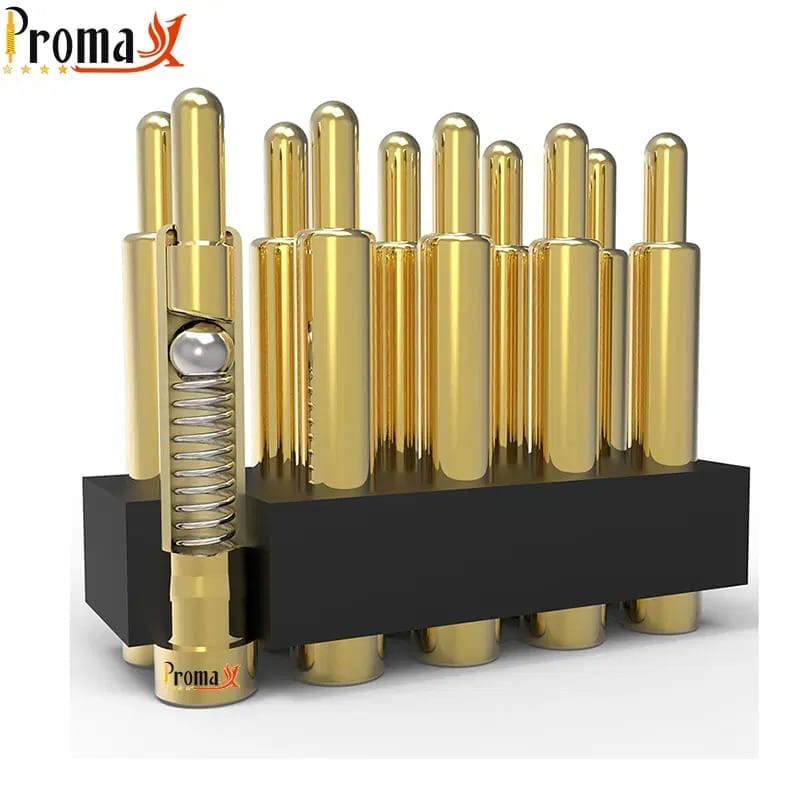
Spring contacts incorporate an elastic mechanism that applies spring pressure to maintain contact pressure regardless of external conditions. This makes them ideal for environments where frequent mating and unmating cycles are required, such as in connectors for consumer electronics and automotive applications. Spring-loaded designs ensure that the contact surface remains stable even under mechanical stress or thermal fluctuations.
The spring contact design is built to handle vibration and frequent movements, which makes it the ideal choice for environments with dynamic loading conditions. Unlike pressure contacts, spring contacts can compensate for minor misalignments or deformations, ensuring that the contact surface remains clean and stable.
Pressure Contact vs Spring Contact: Which is More Reliable?
When it comes to reliability, spring contacts tend to have the edge in environments prone to vibration or frequent movement. Their ability to maintain consistent contact pressure through elastic deformation makes them ideal for use in machinery, vehicles, and portable devices where reliability over many cycles is crucial.
Pressure contacts, on the other hand, provide high conductivity and low contact resistance in static applications. In power circuits, they are preferred because they allow for lower initial resistance in high current settings. However, over time, if the load exceeds the material’s yield strength, pressure contacts can experience deformation that reduces their effectiveness.
How does Pressure Affect Contact Resistance?
Contact resistance is the opposition to the flow of electrical current through the contact interface. For pressure contacts, as contact pressure increases, the contact area expands, and resistance decreases. This is because a greater contact area provides a more efficient path for electrical current, reducing constriction resistance.
However, once a certain pressure threshold is exceeded, the material properties of the contact material may lead to plastic deformation, causing the resistance to rise. This is why it is important to optimize the contact pressure to achieve the right balance for low contact resistance without overloading the contact. Spring contacts maintain a more consistent contact pressure, ensuring more stable contact resistance over time, even in dynamic conditions.
Advantages of Pressure Contacts
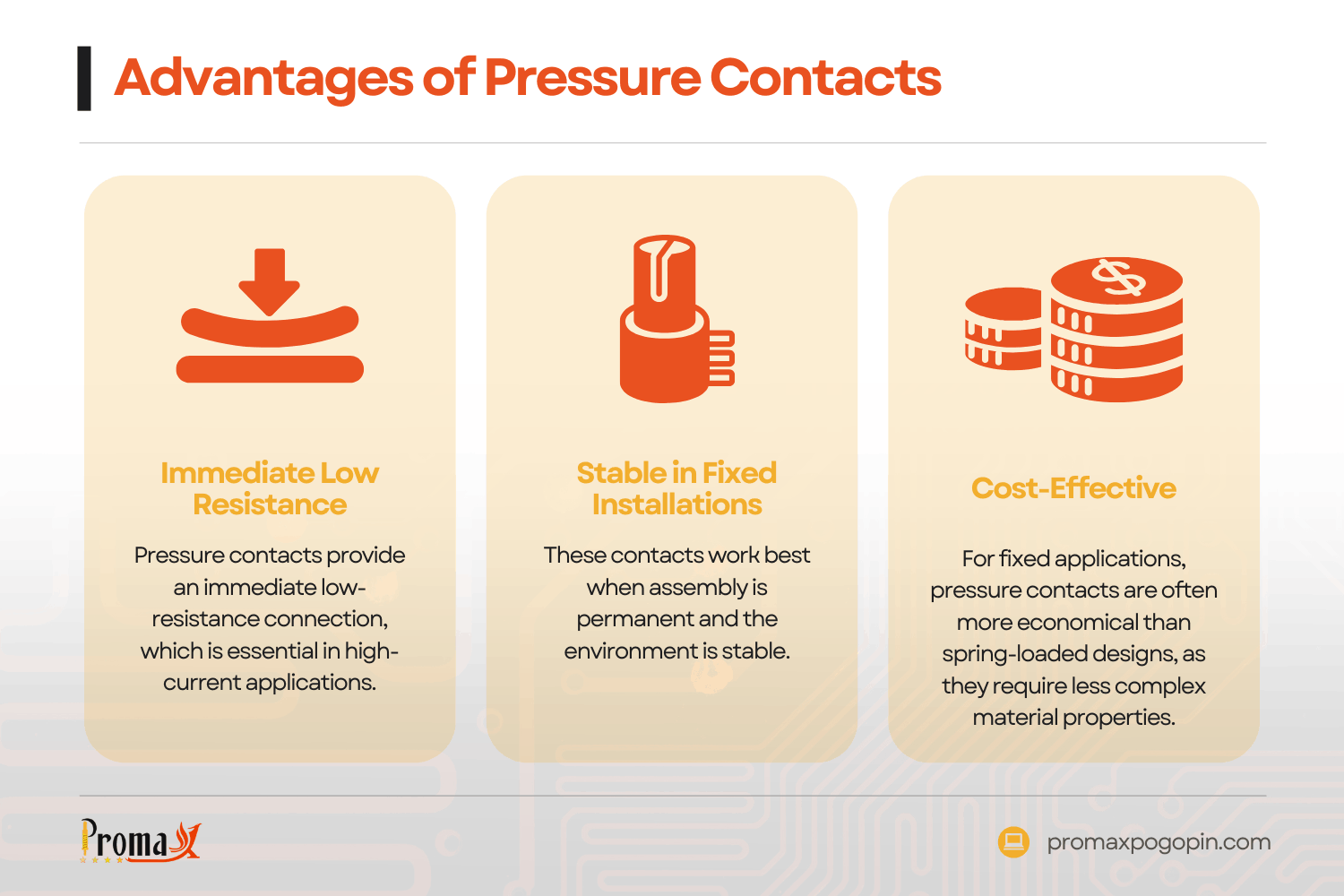
- Immediate Low Resistance: Pressure contacts provide an immediate low-resistance connection, which is essential in high-current applications.
- Stable in Fixed Installations: These contacts work best when assembly is permanent and the environment is stable.
- Cost-Effective: For fixed applications, pressure contacts are often more economical than spring-loaded designs, as they require less complex material properties.
Need pogo pins fast? Talk to an engineer
Get a custom quote, spec matching, and manufacturing guidance—without slowing down your project.
- ISO 9001 / 14001 / 45001 + IECQ QC080000
- 15+ years of expertise
- Free samples
- Mass production in 15–20 days
Advantages of Spring Contacts
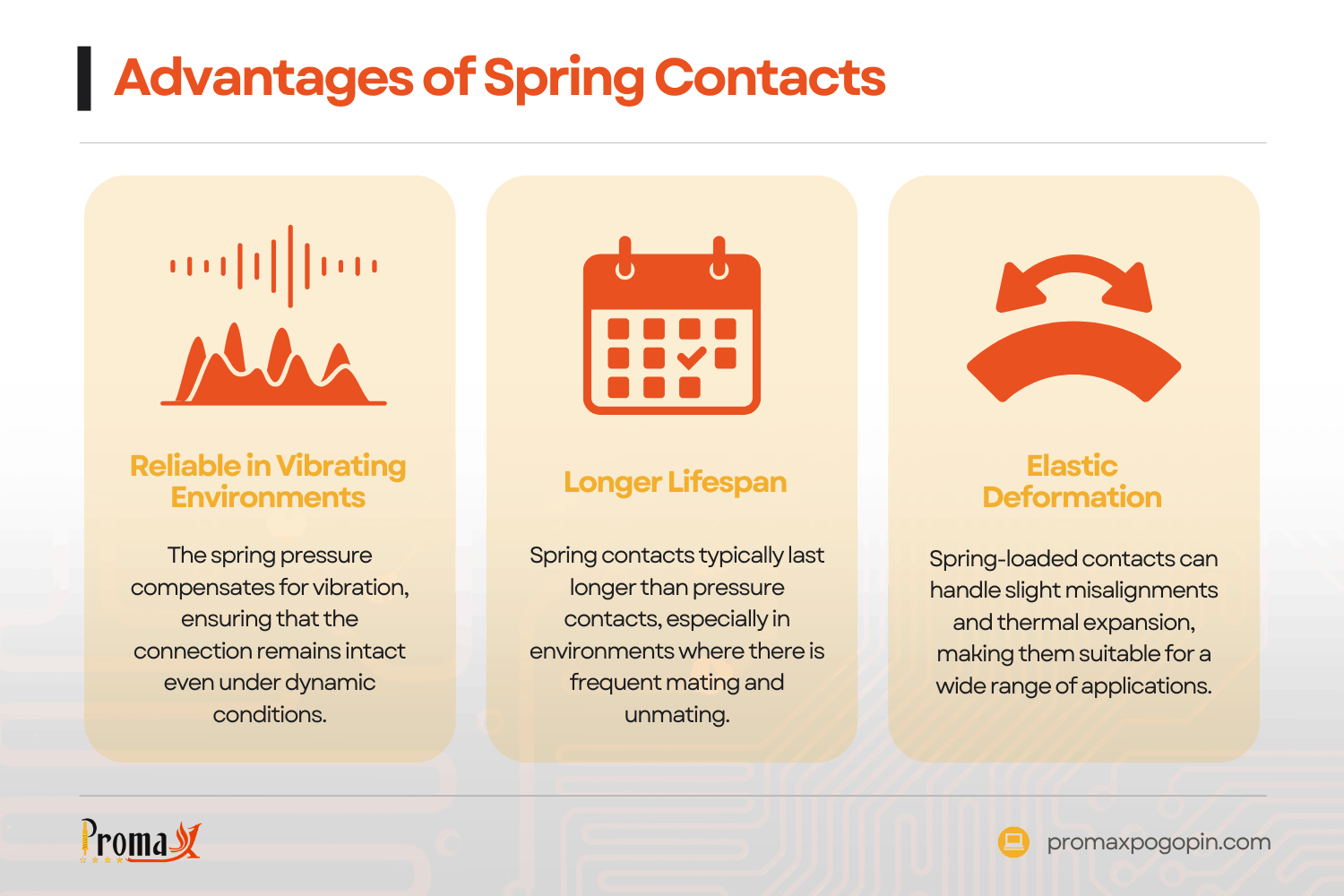
- Reliable in Vibrating Environments: The spring pressure compensates for vibration, ensuring that the connection remains intact even under dynamic conditions.
- Longer Lifespan: Spring contacts typically last longer than pressure contacts, especially in environments where there is frequent mating and unmating.
- Elastic Deformation: Spring-loaded contacts can handle slight misalignments and thermal expansion, making them suitable for a wide range of applications.
Pressure Contacts: Best Use Cases
Pressure contacts are best suited for applications where:
- High current is required and resistance needs to be minimized.
- Fixed environments with minimal vibration or movement.
- Power distribution systems where low resistance is critical.
- Applications where the contact pressure doesn’t need to be frequently adjusted.
Common applications for pressure contacts include power distribution systems, industrial relays, and automotive systems in stable environments.
Spring Contacts: Best Use Cases
Spring contacts are ideal for:
- Vibration-prone environments where maintaining stable contact pressure is essential.
- Applications requiring frequent mating and unmating, such as connectors for consumer electronics and automotive connectors.
- Dynamic environments where changes in temperature or load may occur, and the contact needs to adjust.
Applications for spring contacts include battery connectors, automotive wiring harnesses, and portable electronics.
Contact Resistance: Pressure vs. Spring
| Contact Type | Best Use Case | Resistance Behavior |
|---|---|---|
| Pressure Contacts | High-current, stable environments | Resistance decreases as pressure increases, but welding may occur at high loads |
| Spring Contacts | Vibration-prone, dynamic environments | Stable resistance, less affected by deformation or thermal changes |
How to Choose Between Pressure and Spring Contacts
When deciding between pressure contacts and spring contacts, consider the following:
- Environmental Factors: For environments with high vibration or frequent mating, spring contacts provide the best reliability.
- Current Load: If your application requires high-current handling with low resistance, pressure contacts are more suitable.
- Durability: Spring contacts offer a longer lifespan and better reliability in dynamic applications with changing loads and temperatures.
- Maintenance: If you need a low-maintenance solution, spring contacts are ideal due to their self-adjusting pressure and long-lasting properties.
Choose the Right Contact for Your Application
Both pressure contacts and spring contacts have their place in modern electrical systems. While pressure contacts excel in high-power, fixed applications, spring contacts offer exceptional reliability in dynamic environments. By analyzing your environmental conditions, current load, and long-term reliability needs, you can make an informed choice.
If you’re ready to take the next step in selecting the right connector for your system, contact us today for personalized guidance. Promax Pogo Pin can help you choose the best solution based on your unique application requirements.
Pressure Contact vs Spring Contact FAQs
What is the main difference between pressure contacts and spring contacts?
Pressure contacts rely on static force to create a low-resistance connection, while spring contacts use elastic deformation to maintain consistent contact pressure in dynamic environments.
How does pressure affect contact resistance?
As contact pressure increases, the contact area expands, reducing resistance. However, excessive pressure can cause deformation, which may increase resistance over time.
Which contact is better for high-current applications?
Pressure contacts are better suited for high-current applications as they provide a low-resistance path, especially in stable environments.
Back to Top: Pressure Contact vs Spring Contact | Which is Best for You?
Need pogo pins fast? Talk to an engineer
Get a custom quote, spec matching, and manufacturing guidance—without slowing down your project.
- ISO 9001 / 14001 / 45001 + IECQ QC080000
- 15+ years of expertise
- Free samples
- Mass production in 15–20 days